
Red Snapper Fishing Charter Gulf Shores Alabama
Red Snapper Fishing in Gulf Shores - What to Expect

Fishing Charter by Captain James Morgan in October

- Gulf Shores Inshore Fishing Charters | Book Now


Summary
Join a fishing charter in Gulf Shores, Alabama on Saturday, October for an inshore and nearshore snapper adventure with Captain James Morgan. This charter targets red snapper, speckled trout, redfish, and other seasonal species with all tackle, bait, and licenses provided for your group of up to six anglers.
Inshore Fishing with Captain James Morgan - Rates & Booking
Captain James Morgan of Local Boy Charters on Saturday, October offers quick 2-hour and 3-hour inshore and nearshore fishing trips departing at 7am or 1pm from Gulf Shores, Alabama. These private charters accommodate up to six passengers, making them ideal for families or small groups looking for professional Gulf Coast fishing guidance.
Each trip includes use of the 2021 Seacat, all necessary tackle and bait, cold drinks, a fishing license, and complimentary fish cleaning for your catch. Rates vary by trip duration and departure time. The two-week cancellation policy provides flexibility for your schedule. Book your private fishing charter online today to secure your preferred departure time.
Highlights of Your Gulf Shores Snapper Charter
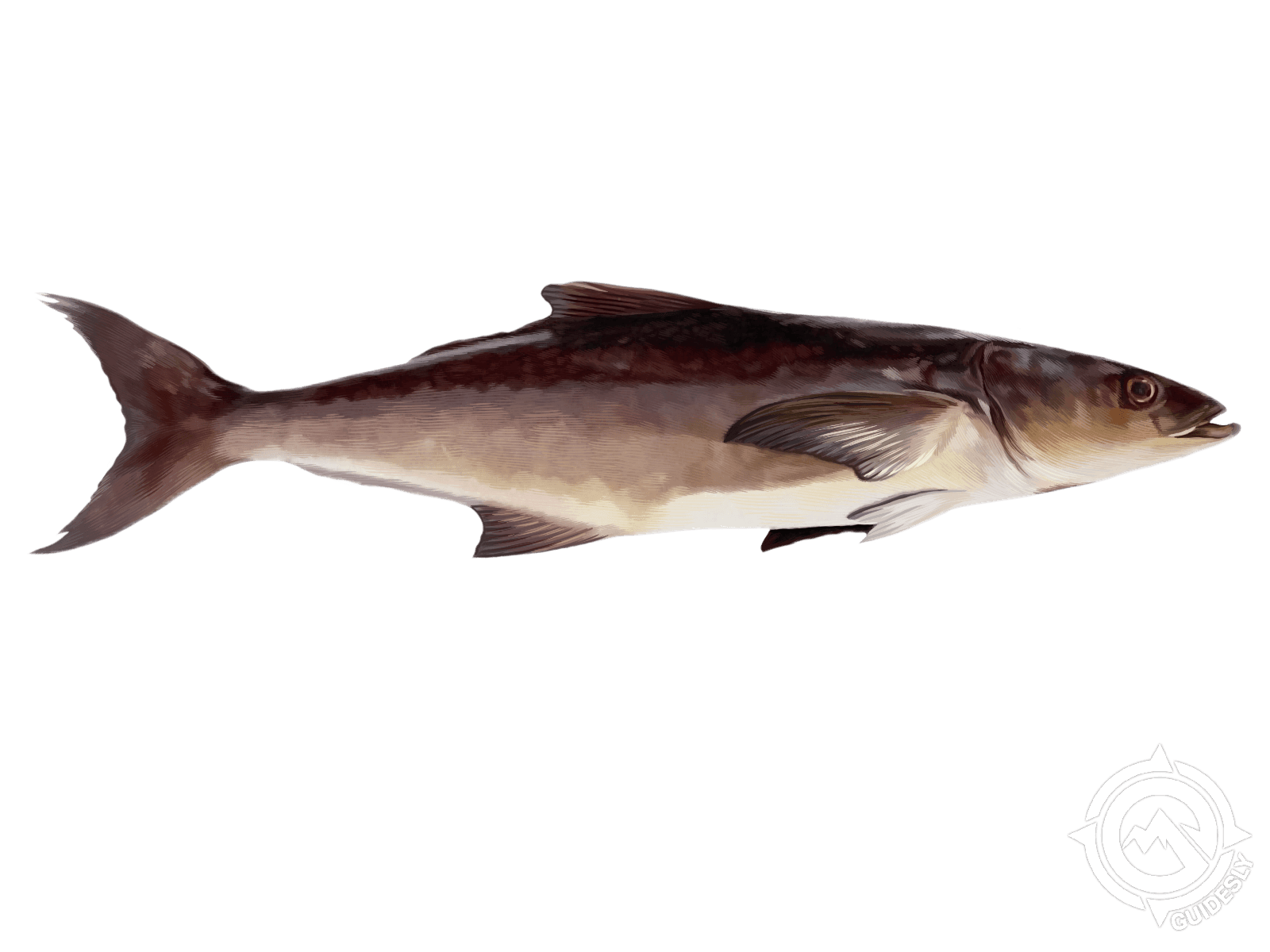
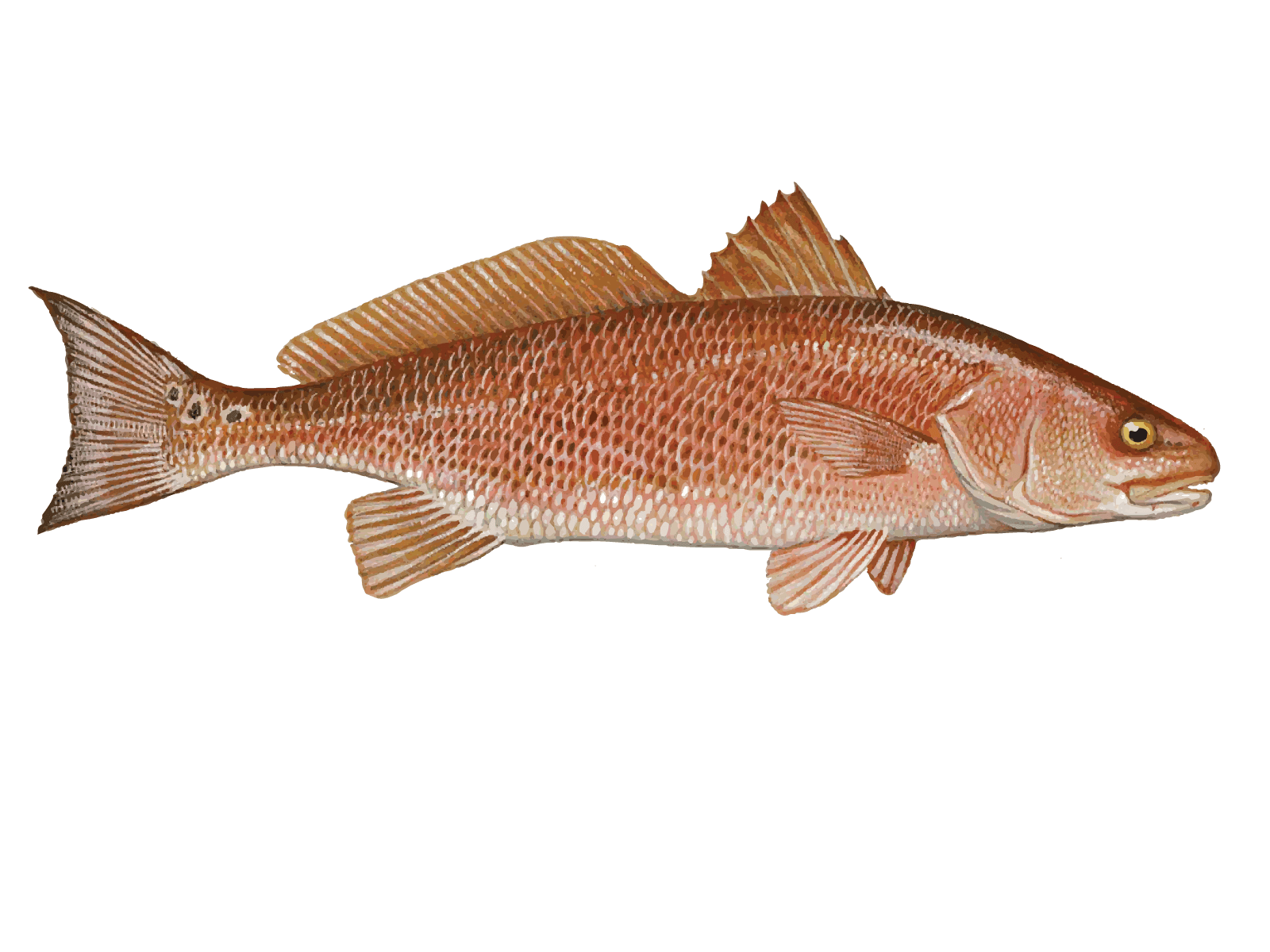
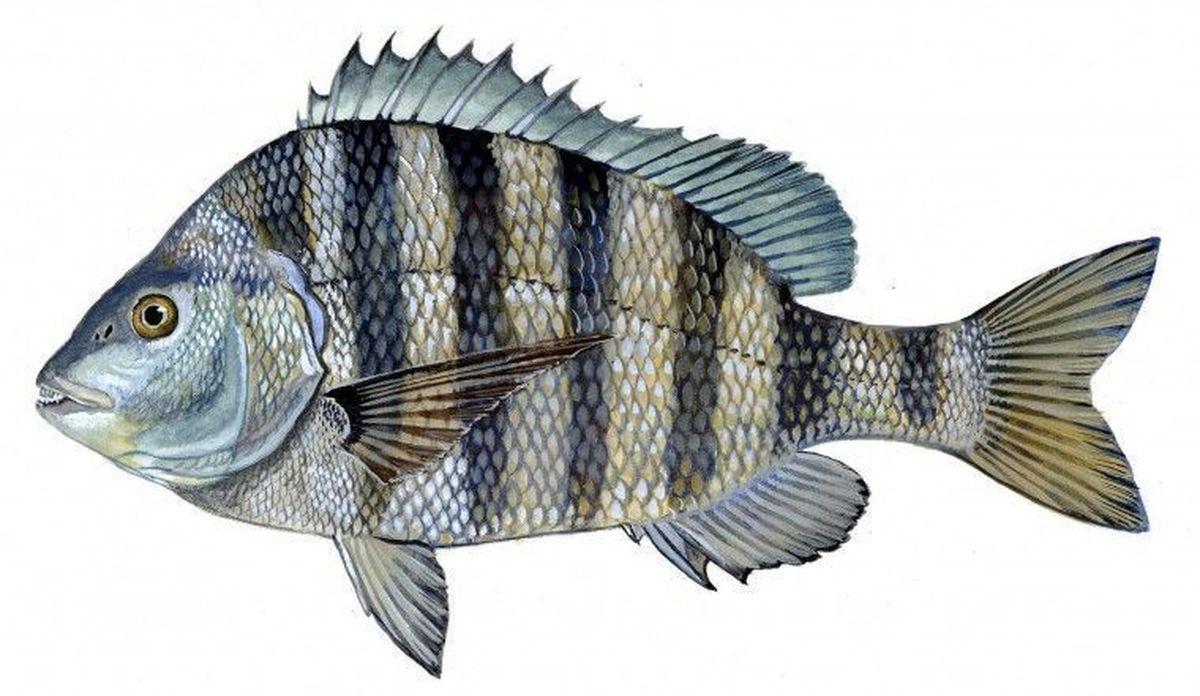
The Gulf Shores inshore and nearshore waters offer year-round fishing opportunities targeting a diverse mix of species. Red snapper are a primary focus during open seasons, delivering strong fights and excellent table fare. Beyond snapper, Captain Morgan pursues speckled trout, redfish, sheepshead, flounder, cobia, and mackerel depending on seasonal availability and water conditions.
What makes this charter experience distinctive is the combination of local expertise, quality equipment, and the smooth-handling 2021 Seacat platform. The boat's shallow draft allows access to productive shallow-water structure where trophy fish congregate, while remaining seaworthy for nearshore ventures when conditions warrant.
Local Species Insights: Red Snapper and Gulf Gamefish
Red snapper are one of the most sought-after species in Gulf Shores waters, and for good reason. These bottom-dwelling fish demonstrate aggressive feeding behavior around rocky structures, artificial reefs, and natural bottom transitions. Their powerful runs and substantial weight make them a rewarding catch for anglers of all skill levels.
Red snapper typically inhabit depths between 60 and 200 feet in the Gulf of Mexico, where they feed on small fish, crustaceans, and other bottom-dwelling prey. During open seasons, they respond well to fresh bait presentations and vertical jigging techniques. Understanding their structural preferences helps anglers position their boats and lines for maximum success.
Pacific crevalle jacks, also present in these waters, represent a different class of challenge. These strong-swimming gamefish are known for their speed, endurance, and willingness to strike artificial lures. They often hunt in schools near the surface or around subsurface structure, making them visible and exciting targets throughout the day.
The Gulf Shores environment provides ideal conditions for fishing these species. The continental shelf structure, varying depths, and seasonal water temperature changes create productive zones where multiple species congregate. Clear water during calm periods allows sight fishing opportunities, while rougher conditions often trigger aggressive feeding behavior.
Captain Morgan's local knowledge of these species' seasonal patterns, preferred habitats, and feeding preferences directly translates into better fishing opportunities for your group. He adjusts techniques, locations, and target species based on current conditions and what's biting that day.
Plan Your Gulf Shores Fishing Day
Your charter day begins with departure at either 7am or 1pm, depending on your chosen time slot. The 2-hour and 3-hour options give you flexibility to fit the charter into your schedule. All fishing gear is provided and ready to use, so you need only bring your enthusiasm and wear appropriate clothing for Gulf weather conditions.
The boat accommodates your full group of up to six anglers comfortably, with enough space to fish without feeling crowded. Cold drinks keep everyone refreshed throughout the outing. All baiting, rigging, and line management support comes from the captain's experienced hands, allowing you to focus on feeling strikes and fighting fish.
Your catch is cleaned and prepared for you before you head home, eliminating the post-fishing work and leaving you with dinner-ready fish. This all-inclusive approach means you leave the dock prepared for success and return with meals ready to cook.
Fishing in Gulf Shores, Alabama: Pacific Crevalle Jack, Red Snapper and American Eel

Pacific Crevalle Jack Overview
The Pacific Crevalle Jack (Caranx caninus) is a powerful saltwater predator belonging to the family Carangidae and the order Perciformes. This remarkable fish is closely related to pompanos, jack mackerels, runners, and scads, and has earned a solid reputation among both commercial and recreational anglers throughout the Pacific Ocean. What makes this species particularly special is its sleek, silvery body with distinctive yellowish fins and a telltale black spot on its gill cover—features that make it instantly recognizable once you've seen one. These fast swimmers are known to produce actual croaking sounds by grinding their teeth together while expelling gas from their air bladder, a behavior that adds to their mystique. Found primarily in the eastern Pacific waters from California down to Peru, the Pacific Crevalle Jack remains one of the most sought-after and abundant game fish in offshore environments.
These jacks are not just important to the fishing community; they're integral to the marine ecosystem and have become a fascinating subject for anyone interested in saltwater fishing or marine biology. Their abundance and willingness to strike make them accessible to anglers of varying skill levels, while their powerful fighting ability ensures an unforgettable experience on the water.
Pacific Crevalle Jack Habitat and Distribution
The Pacific Crevalle Jack is fundamentally a pelagic fish, meaning it thrives in the open waters of the ocean. These fish typically remain near the surface and are often found at depths reaching up to 1,100 feet, though younger individuals tend to venture closer to coastal areas. Juveniles frequently inhabit shallow flats, sandy bays, beaches, seagrass beds, and shallow reefs with depths between ten and three hundred feet as they develop. As they mature, they congregate into schools and move into deeper offshore waters.
Geographically, this species is distributed throughout the eastern Pacific Ocean, with its range extending from California southward through the Gulf of California and down to Peru. The waters off Colombia and Mexico represent particularly productive zones. You'll find them schooling in large numbers near offshore wrecks and reefs, where they hunt cooperatively for food. The presence of "boiling" water on the surface—a telltale sign of frenzied feeding activity—often indicates a school of hungry Pacific Crevalle Jacks is in the area, making visual location relatively straightforward for experienced anglers.
Pacific Crevalle Jack Size and Weight
Pacific Crevalle Jacks are impressive fish that can vary considerably in size depending on age and feeding conditions. The minimum typical size encountered is around 12 inches, though most catches fall between 12 to 40 inches in length. In terms of weight, you can expect fish ranging from approximately 10 pounds on the smaller end to a maximum recorded weight of around 43 pounds, though the average catch typically weighs between 15 to 30 pounds. The largest specimens on record have reached three feet and four inches in length and weighed nearly forty-four pounds—truly spectacular examples of this species. Their robust, muscular build contributes to their exceptional strength and fighting ability, which is why anglers often describe them as "rod-benders."
Pacific Crevalle Jack Diet and Behavior
The Pacific Crevalle Jack is a voracious and opportunistic predator that hunts relentlessly throughout the day. Their diet consists primarily of smaller fishes such as mullet, herring, and sardines, but they're equally enthusiastic about consuming various invertebrates including prawns, shrimps, crabs, and mollusks. This diverse appetite makes them exceptionally responsive to both live and artificial baits.
Behaviorally, these fish are highly social and rarely travel alone. They form tight schools that work together to corral and attack baitfish, creating the distinctive "boiling" water phenomenon anglers use to locate them. Their aggressive feeding behavior and strong swimming ability make them formidable predators in their environment. They're fast swimmers capable of explosive bursts of speed, allowing them to ambush prey with remarkable efficiency. In terms of lifespan, the average Pacific Crevalle Jack lives 12 to 15 years in the wild, though some documented individuals have survived as long as 37 years.
Pacific Crevalle Jack Spawning and Seasonal Activity
The Pacific Crevalle Jack is known for extended reproduction throughout most of the year, with distinct seasonal peaks in January, February, May, August, and November in Colombian and Mexican waters. During spawning, eggs and larvae remain in the pelagic zone, drifting with ocean currents. As juveniles develop, they migrate to estuaries and seagrass beds where they find shelter and abundant food sources. Once reaching adulthood, they transition to open water and begin the schooling behavior characteristic of mature populations.
From an angler's perspective, this extended spawning season means that Pacific Crevalle Jacks remain relatively catchable year-round. However, understanding these seasonal patterns can help you time your fishing trips for maximum success. Migration and movement patterns also mean that certain areas may have better populations during specific months, so local knowledge and speaking with guides familiar with your target location will significantly improve your odds.
Pacific Crevalle Jack Techniques for Observation and Capture
Offshore Casting Method: The primary approach for catching Pacific Crevalle Jacks involves locating schooling fish near offshore wrecks and reefs. Look for visual signs like surface disturbance or diving birds, which often indicate feeding activity. Use a conventional spinning rod rated for heavy action paired with 20 to 40-pound monofilament line—at least 200 yards is recommended. Cast artificial lures such as topwater plugs, spoons, and bucktail jigs into the disturbance. The aggressive strikes are immediate and thrilling. Work your lure with steady, rapid retrieves to simulate injured baitfish. Around popular offshore fishing destinations from California to Peru, charter boats often know the exact coordinates of productive structures where schools congregate.
Live Bait Technique: Live bait enthusiasts should use mullet, herring, or sardines presented on appropriate circle hooks. A 6 to 8-foot leader of 30-pound fluorocarbon or monofilament works well to prevent the jack's sharp teeth from cutting through. Drift or anchor near reefs and submerged structures, allowing the bait to swim naturally. The Pacific Crevalle Jack will typically strike hard and fast, so set the hook firmly. This method is particularly effective during peak spawning months.
Fly Fishing Approach: For the more adventurous angler, fly fishing for Pacific Crevalle Jacks offers an exhilarating experience. Use an 8 to 10-weight fly rod with at least 200 yards of backing, as these fish will test your equipment severely. Large saltwater streamer patterns in white, yellow, or chartreuse work well. Cast to schooling fish and use aggressive stripping patterns. Expect explosive takes and powerful runs. This method requires more skill but delivers an unmatched adrenaline rush.
Pacific Crevalle Jack Culinary and Utilization Notes
The Pacific Crevalle Jack has earned a place on dining tables throughout the Pacific region, though opinions on its culinary merit are mixed. The meat texture is often compared to tuna—firm, moderately dense, and suitable for various cooking methods. The flavor is described as average to good, though it can be somewhat strong or "fishy" if not handled properly immediately after capture. The key to improving palatability is bleeding and icing the fish immediately following capture, which significantly enhances its flavor profile and extends shelf life.
In markets, fresh, frozen, smoked, salted, and dried Pacific Crevalle Jacks are all commonly available throughout Latin American and Pacific regions. Beyond culinary applications, this species is utilized for producing fishmeal and oil, making it economically important to various fishing communities. While not considered a premium food fish, it represents a sustainable protein source when harvested responsibly. Many anglers practice catch-and-release with this species, particularly if the fishing is excellent, allowing populations to remain robust.
Pacific Crevalle Jack Frequently Asked Questions
Q: What is the best bait or lure for catching Pacific Crevalle Jacks?
A: Live baitfish such as mullet, herring, and sardines consistently produce excellent results. If you prefer artificial options, topwater plugs create surface commotion that triggers aggressive strikes, while spoons and bucktail jigs mimic fleeing prey effectively. The key is using substantial baits and lures that match the natural prey size.
Q: Where can I find Pacific Crevalle Jacks in prime fishing locations?
A: These fish congregate around offshore wrecks, reefs, and rocky structures throughout the eastern Pacific. Look for surface disturbance or "boiling" water indicating active feeding schools. Around California and Mexico, charter captains maintain detailed maps of productive locations. Focus your efforts during periods of high tidal movement when baitfish are most active.
Q: What equipment do I need to successfully catch a Pacific Crevalle Jack?
A: You'll need a heavy-action rod capable of withstanding intense pressure, paired with a quality reel holding at least 200 yards of 20 to 40-pound monofilament line. A sturdy landing net and protective gloves are essential, as these fish possess sharp spines, razor-sharp teeth, and incredibly strong jaws. Consider using circle hooks for safety and ethical catch-and-release practices.
Q: When is the best time to catch Pacific Crevalle Jacks?
A: While these fish can be caught year-round, they're particularly active during spawning peaks in January, February, May, August, and November. However, schooling activity occurs throughout the year in offshore environments. Early morning and late afternoon periods generally produce better results, and weather conditions that create rougher seas often increase feeding activity.
Q: Are Pacific Crevalle Jacks good to eat?
A: Yes, though their reputation is mixed—they're classified as average eating quality. The key to improving flavor significantly is to bleed and ice the fish immediately after capture. The meat is firm and suitable for grilling, baking, or smoking. Many regions offer smoked or salted varieties in markets, which many locals prefer to fresh preparations.
Q: How long do Pacific Crevalle Jacks typically live?
A: The average lifespan in the wild is 12 to 15 years, though some individuals have been documented living as long as 37 years. Their longevity and relatively slow reproductive rate mean they're somewhat vulnerable to overfishing, making responsible harvest practices important for sustainability.
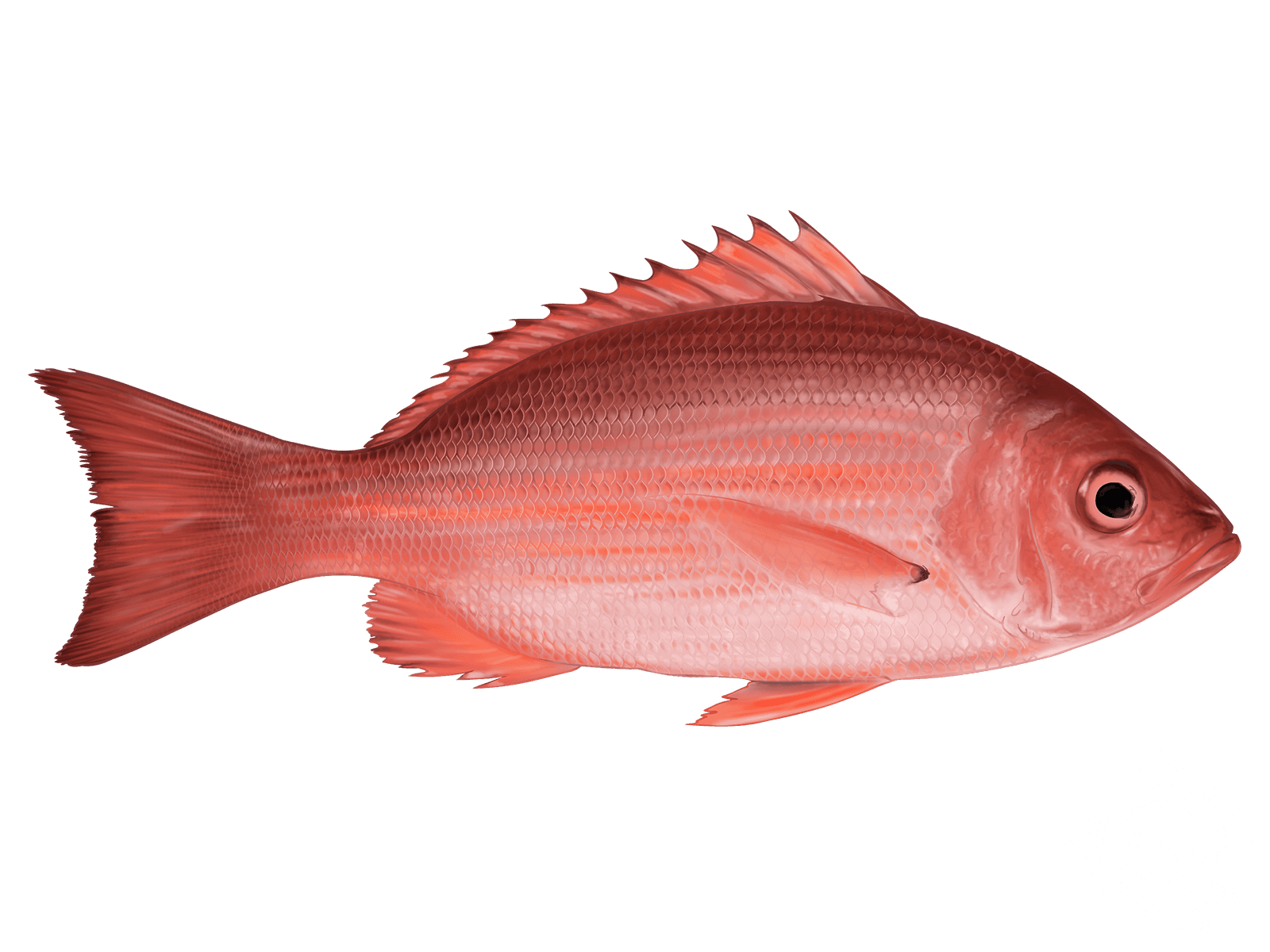
Red Snapper (Lutjanus campechanus) Overview
The Red Snapper, scientifically known as Lutjanus campechanus, belongs to the family Lutjanidae within the order Perciformes. This exceptional gamefish is one of the most sought-after species along the Atlantic coast and throughout the Gulf of Mexico, renowned for its brilliant red coloration, aggressive strike, and exceptional table quality. Red Snapper are true bottom dwellers that transform from pale pink juveniles into deep crimson adults, earning their reputation as trophy catches for both recreational anglers and commercial fisheries. Whether you're planning a fishing adventure in the Gulf of Mexico or exploring coastal waters, understanding this remarkable species will enhance your experience on the water.
Red Snapper Habitat and Distribution
Red Snapper thrive in the deep waters of the Atlantic coast and Gulf of Mexico, typically found at depths ranging from 30 to 620 feet. These fish prefer water temperatures between 50 and 70 degrees Fahrenheit, making them most active during moderate seasonal conditions. Juveniles inhabit shallower inshore areas with muddy bottoms, gradually migrating to deeper waters near structure as they mature. Adult Red Snapper are predominantly found near artificial and natural structures including reefs, wrecks, rocky outcroppings, and debris fields that provide shelter and concentrate forage fish. The Gulf of Mexico remains the primary hotspot for Red Snapper populations, with substantial populations extending down the eastern seaboard. Areas around Louisiana, Texas, and Florida's Gulf coast are particularly productive for encountering these fish.
Red Snapper Size and Weight
Red Snapper demonstrate impressive growth potential, with typical specimens caught by anglers ranging from 19 to 39 inches in length and weighing between 5 to 20 pounds on average. However, these fish can grow considerably larger under optimal conditions, with documented specimens exceeding 3 feet in length and weighing over 35 pounds. The world record Red Snapper weighed an astounding 50 pounds 4 ounces, a legendary catch landed off Louisiana waters in 1966. Most Red Snapper encountered in modern fisheries are between 4 to 6 years old, reflecting current population dynamics and regulatory management. These fish possess remarkable longevity, with lifespans exceeding 20 years, allowing mature individuals to reach exceptional sizes and weights.
Red Snapper Diet and Behavior
Red Snapper are carnivorous bottom feeders with a diverse diet consisting primarily of smaller fish and crustaceans. Their preferred prey includes cigar minnows, pinfish, pigfish, live squid, shrimp, and octopus, reflecting their opportunistic feeding strategy in deep-water environments. These aggressive hunters are most active during dawn and dusk periods, though they feed throughout daylight hours, particularly during slack tide periods when visibility and feeding conditions are optimal. Red Snapper exhibit strong territorial behavior, remaining in proximity to structure and cover where they ambush passing prey. Their reputation as fierce fighters stems from their powerful strikes and determined runs toward nearby cover—a characteristic that makes them exhilarating opponents for anglers. When hooked, Red Snapper will aggressively attempt to reach nearby structure, making rod strength and sharp hooks essential for successful encounters.
Red Snapper Spawning and Seasonal Activity
Red Snapper reach sexual maturity around 5 to 8 years of age, with larger, older females producing substantially greater numbers of eggs than their younger counterparts. A single 24-inch female can produce as many eggs as 212 seventeen-inch females, making size-selective reproduction a critical management consideration. The spawning season extends from May through October, with peak activity occurring during warmer months when water temperatures optimize reproductive success. Fertilized eggs drift to the surface and hatch within approximately one day, with larvae remaining in the planktonic water column before settling into shallow nursery habitats after about one month. As juvenile Red Snapper grow, they gradually migrate to deeper waters where they eventually establish residence near structure in the deep Gulf. This life history transition from shallow nurseries to deep offshore habitats reflects the species' adaptation to distinct environmental zones throughout their development.
Red Snapper Techniques for Observation and Capture
Bottom Fishing with Heavy Rigs: The most effective method for catching Red Snapper involves deploying heavy multi-hook rigs dressed with weights substantial enough to maintain bottom contact in deep water. Electric reels, manual reels, and handlines all prove effective when rigged properly. Bait your hooks with live pinfish, cigar minnows, fresh squid, or live shrimp, then lower your presentation to the bottom where Red Snapper congregate. The key to success lies in keeping your bait at or near bottom structure where these fish feed. Around the Gulf of Mexico's major fishing ports, charter captains utilize GPS and sonar to locate wreck structures and reef systems, deploying rigs precisely over productive bottom. Expect powerful strikes and immediate runs toward cover—maintain steady upward pressure to prevent your line from cutting on structure.
Fly Fishing for Surface-Active Fish: When Red Snapper move shallow or feed near the surface, fly fishing presents an exciting and productive alternative to traditional bottom techniques. Rig an 11 to 13-weight fly line with Clouser minnow or deceiver patterns that mimic local forage species. Some anglers employ chum slicks to concentrate Red Snapper before casting, then strip flies with erratic, natural-looking retrieve patterns. Present your fly to rising fish and work it back toward deeper water with consistent stripping action—Red Snapper will aggressively attack moving flies that resemble fleeing prey species. This technique works particularly well during early morning hours and slack tides when Red Snapper move into shallower water.
Targeting Structure and Seasonal Timing: Success with Red Snapper depends heavily on identifying productive structure and timing your fishing efforts around seasonal patterns. Focus on natural and artificial reefs, shipwrecks, rock formations, and other bottom features that hold concentrated populations. Spring and early summer, when water temperatures warm and spawning activity increases, represent prime fishing seasons. Target dawn and dusk periods when feeding intensity peaks, and plan your trips around slack tide periods when Red Snapper feed most aggressively.
Red Snapper Culinary and Nutritional Value
Red Snapper ranks among the most prized culinary fish, commanding premium prices in seafood markets and restaurants throughout the nation. The flesh features a mild, slightly nutty flavor profile with firm texture that holds up exceptionally well to various cooking methods. Whether baked, pan-fried, grilled, or steamed, Red Snapper delivers outstanding eating experiences that have made it an enduring favorite among seafood enthusiasts. To fully appreciate the delicate natural flavors, many chefs recommend minimal seasoning—simple preparations featuring salt, pepper, and fresh lemon juice allow the fish's inherent qualities to shine. Beyond culinary appeal, Red Snapper offers impressive nutritional benefits, serving as an excellent source of omega-3 fatty acids essential for cardiovascular and cognitive health. The fish is naturally low in calories, high in complete protein, and contains minimal saturated fat, making it an ideal choice for health-conscious diners. Red Snapper provides abundant B12 and vitamin D, along with important minerals including iron and potassium. Regular consumption supports heart health, enhances brain function, boosts immune response, and promotes healthy skin and hair development.
Red Snapper Frequently Asked Questions
Q: What is the best bait for catching Red Snapper?
A: Live pinfish and cigar minnows consistently outperform other bait options, particularly for larger specimens. Fresh squid, live shrimp, pigfish, and octopus also produce excellent results. The key lies in presenting fresh, lively bait on heavy rigs that reach bottom structure where Red Snapper feed. Experiment with combinations to determine what works best in your specific fishing location.
Q: Where can I find Red Snapper fishing opportunities in the Gulf of Mexico?
A: Major fishing ports throughout Louisiana, Texas, and Florida's Gulf coast provide excellent access to Red Snapper populations. Charter services in these areas operate specialized trips targeting deep-water structure. Public fishing piers in coastal communities occasionally offer opportunities during peak seasons, though private boat access typically provides superior fishing success.
Q: Is Red Snapper good to eat?
A: Absolutely—Red Snapper is exceptional table fare featuring mild, slightly nutty flavor and firm white flesh. The fish is highly nutritious, rich in omega-3 fatty acids, and works beautifully with various cooking methods. Most culinary experts recommend simple preparations that highlight natural flavors rather than heavy seasoning.
Q: When is the best time to catch Red Snapper?
A: The spawning season from May through October represents peak activity periods, with summer months typically offering the most consistent fishing. Within each day, dawn and dusk periods produce the most aggressive feeding activity. Slack tides create optimal feeding conditions regardless of season.
Q: How deep do I need to fish for Red Snapper?
A: Red Snapper inhabit depths ranging from 30 to 620 feet, though most productive fishing occurs between 60 and 300 feet. Always check current regulations and use GPS/sonar to identify structure at appropriate depths for your specific fishing area.
Q: What equipment do I need for Red Snapper fishing?
A: Heavy-duty conventional or electric reels paired with sturdy rods rated for deep-water applications work best. Bring quality multi-hook rigs with substantial weights, sharp hooks in appropriate sizes, and durable line rated for the depths and structure you'll encounter. Experienced anglers recommend having backup tackle and extra rigs to maximize fishing time.
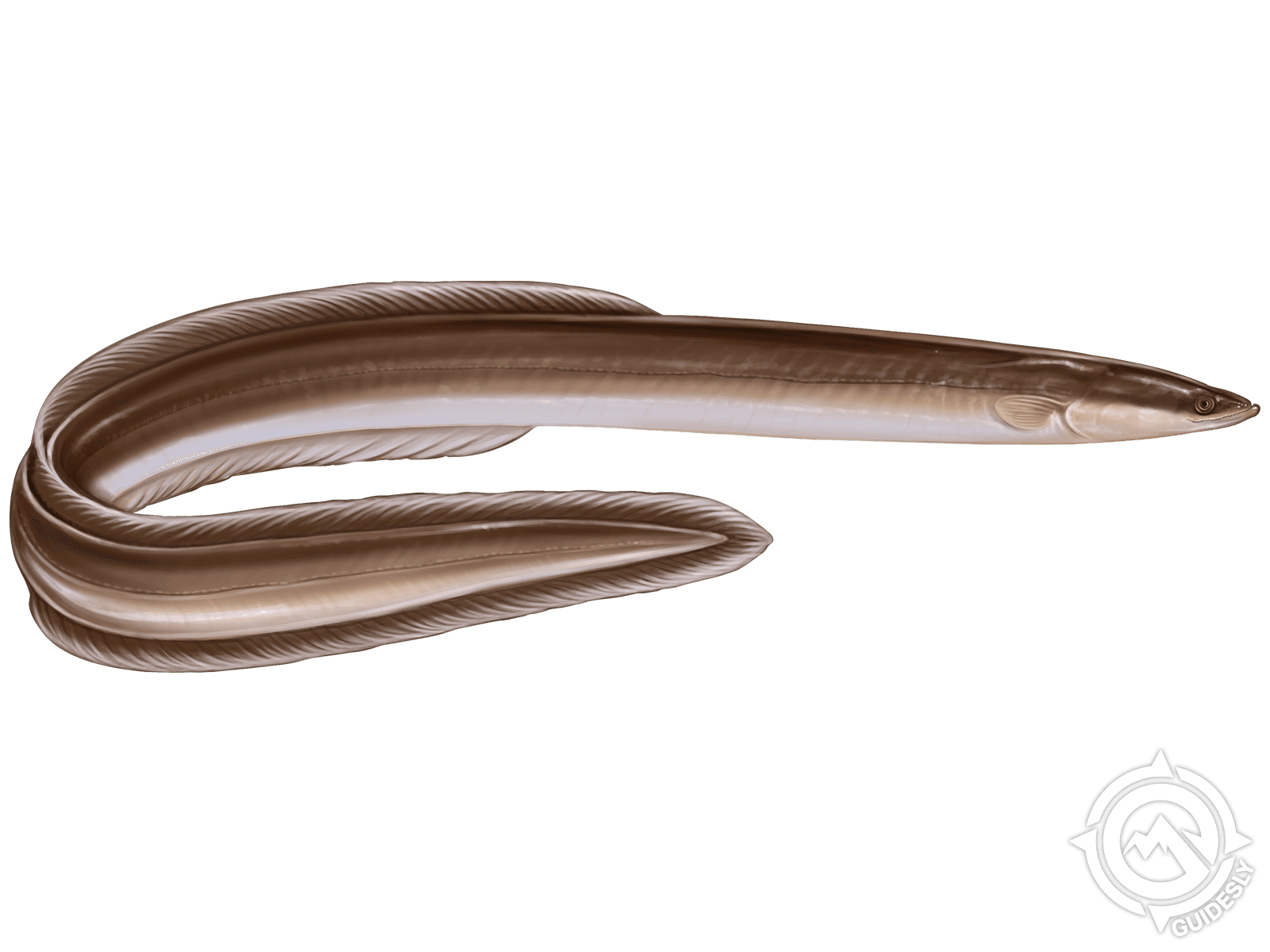
American Eel Overview
The American Eel (Anguilla rostrata), belonging to the family Anguillidae and order Anguilliformes, is one of North America's most fascinating and mysterious freshwater fish. These remarkable snake-like creatures are instantly recognizable by their slender, muscular bodies coated in a thick layer of protective mucus that gives them their characteristic slimy appearance. Despite looking completely naked to the naked eye, they're actually covered in minute scales that provide additional defense. What makes the American Eel truly special is its incredible life cycle: these eels spend years in freshwater rivers and lakes before mysteriously migrating thousands of miles across the Atlantic Ocean to spawn in the Sargasso Sea. For anglers and nature enthusiasts exploring inland waterways from the Great Lakes to local streams, encountering an American Eel is always an exciting moment that reminds us just how wild and interconnected our ecosystems truly are.
American Eel Habitat and Distribution
American Eels are native to freshwater systems across the eastern Atlantic coastline of North America, ranging from the Great Lakes down through the Mississippi River drainage system and into countless tributary streams and lakes. Their natural habitat includes muddy-bottomed rivers, shallow lakes, and coastal estuaries where they spend the majority of their lives as bottom dwellers. These secretive fish prefer to burrow themselves into mud, silt, and vegetation in shallow depths, creating hidden lairs from which they can ambush unsuspecting prey. Interestingly, coloration varies significantly based on water type and chemistry: clearer waters typically host lighter-colored eels, while acidic streams tend to contain darker-tinged individuals. While recordings show American Eels have expanded their range westward to places like Lake Mead and Arizona border rivers, many populations remain underestimated simply because these bottom-dwelling creatures are so difficult to observe in their natural habitat.
American Eel Size and Weight
The American Eel typically reaches lengths between 30 to 60 inches, with most individuals in the 1 to 4 feet range, making them noticeably smaller than some of their eel cousins found in other parts of the world. Weight generally falls between 8 to 17 pounds for mature specimens, though larger females can occasionally exceed these averages. An interesting sexual dimorphism exists within the species: females grow significantly larger than males and display lighter coloration, smaller eyes, and proportionally higher fins. Their elongated, conical head tapers to a terminal mouth with small, well-developed eyes and relatively non-elongated jaws lined with small, pectinate or setiform teeth arranged in multiple series. This streamlined body design perfectly suits their role as ambush predators lurking in bottom substrates and vegetation.
American Eel Diet and Behavior
American Eels are opportunistic carnivorous feeders that consume a wide variety of prey including small fish, insect larvae, crustaceans, and organic detritus. These nocturnal hunters are most active during nighttime hours when they emerge from their muddy burrows to search for food along the river or lake bottom. They employ a hunting strategy based on stealth and surprise, positioning themselves beneath shelters and vegetation to ambush passing prey. During daylight hours, they retreat to their constructed homes in mud and plant matter, where they remain relatively inactive. A fascinating behavioral adaptation occurs when water temperatures drop below 40 degrees Fahrenheit: American Eels enter a torpor state similar to hibernation, reducing their metabolic activity and food intake to near-zero levels. This survival mechanism allows them to endure harsh winter conditions in northern climates while maintaining minimal energy expenditure.
American Eel Spawning and Seasonal Activity
The American Eel possesses one of nature's most extraordinary life cycles, classified as facultative catadromous due to their migration between freshwater and saltwater environments. In their native freshwater habitats, they spend 5 to 20 years growing and developing before an inexplicable biological trigger initiates their spawning migration. During this dramatic transformation, eels undergo physiological changes including darkening of their coloration, changes in eye size, and modifications to their digestive system. They then migrate downstream and out into the Atlantic Ocean, traveling approximately 5,000 miles to the Sargasso Sea where they spawn in deep oceanic waters. After spawning, the adults die, but their larvae (called leptocephali) drift back across the Atlantic on ocean currents, eventually transforming into glass eels and elvers that enter coastal rivers and begin their upstream journey. Females can produce up to 4 million eggs during a single spawning event, ensuring population continuation despite the perilous journey. This remarkable migration typically occurs during fall and early winter months when water temperatures begin to cool.
American Eel Techniques for Observation and Capture
Night Fishing with Live Bait: The most effective method for catching American Eels involves fishing at night during their active feeding periods. Use live baitfish such as shiners, minnows, or small shad presented near the bottom in areas with muddy substrate and vegetation. Fish along undercut banks, around fallen logs, and in deeper holes where eels establish their territories. Deploy rod and reel setups with sensitive bite detection or use traditional hand lines. Focus your efforts during the warmer months from May through September when eels are most active, and particularly during the hour after sunset and before dawn.
Trap and Pot Fishing: Traditional eel pots and traps remain highly effective capture methods, particularly in areas where they're legal. These specialized traps funnel eels into a confined chamber from which escape is difficult. Bait them with fresh fish pieces, chicken liver, or eel pheromone attractants. Set traps along the bottom in channels, around structure, and in areas with current. This passive method allows you to fish multiple locations simultaneously and works effectively during both day and night hours.
Localized Tip—Around the Great Lakes Region: Anglers fishing tributaries and inlet streams throughout the Great Lakes have experienced excellent success targeting American Eels during their seasonal migrations. Focus on areas where streams enter the main lake bodies during fall months when temperature drops trigger migration behavior. Fish the slower-moving sections and deeper pools where eels congregate before making their ocean journey.
American Eel Culinary and Utilization Notes
American Eels possess good food quality and have been consumed for centuries across North America and Europe. The flesh is rich, fatty, and flavorful, with a unique texture that some compare to freshwater catfish. Eels are excellent sources of omega-3 fatty acids, protein, and various essential vitamins and minerals including vitamin A and selenium. Traditional preparation methods include smoking, which is particularly popular in Northern European and Asian cuisines, as well as braising, frying, and stewing. The culinary appeal of American Eels has made them targets for both recreational and commercial fishing operations, though sustainability concerns have prompted stricter regulations in some regions. When properly cleaned and prepared, these fish provide a delicious and nutritious meal that connects diners to centuries of culinary tradition. Many consider smoked eel to be a delicacy, and the meat's rich fat content makes it particularly suitable for preservation methods like curing and smoking.
American Eel Frequently Asked Questions
Q: What is the best bait for catching American Eels?
A: Live baitfish such as shiners, minnows, and small shad are most effective. Fresh chicken liver, fish pieces, and specialized eel pheromone baits also work well. The key is presenting bait near the bottom where eels hunt during nighttime hours.
Q: Where can I find American Eels in the Great Lakes region?
A: Look for them in muddy-bottomed lakes, slower-moving stream sections, deeper pools, and around structure like fallen logs and undercut banks. Tributary streams entering main lake bodies are particularly productive during fall migration seasons.
Q: Are American Eels good to eat?
A: Absolutely. American Eels are considered a delicacy in many cultures and offer good food quality with rich, flavorful flesh. They're excellent sources of omega-3 fatty acids and protein. Smoking, braising, and frying are popular preparation methods, with smoked eel particularly prized as a delicacy.
Q: When is the best time to catch American Eels?
A: Fish for them primarily from May through September during warmer months when they're most active. Night fishing is most productive, particularly during the hour after sunset and before dawn. Fall months are excellent for targeting eels during their spawning migration season.
Q: Why do American Eels migrate to the ocean if they live in freshwater?
A: American Eels are facultative catadromous fish, meaning they spend most of their lives in freshwater but migrate to the Sargasso Sea in the Atlantic Ocean to spawn. After 5-20 years of growth in freshwater systems, a biological trigger causes them to journey 5,000 miles across the ocean where they reproduce and die. Their larvae then drift back across the Atlantic to begin the cycle anew.
Q: What do I do if I catch an American Eel?
A: Handle them carefully as they're quite slippery. Wet your hands first to improve grip and reduce injury to their protective mucus layer. If you plan to keep the eel, use a sharp blow to the head for humane dispatch. If releasing, gently return it to the water. Many anglers use specialized handling gloves designed specifically for eel capture.
More species you can explore on this trip

Local Boy Charters Available Trips
The 2021 Seacat is a modern platform purpose-built for Gulf Shores inshore and nearshore fishing. Step aboard and you immediately notice the thoughtful layout - there's genuine room for four anglers to fish comfortably without getting in each other's way or feeling cramped. The shallow draft is real here; this boat slides into those productive shallow flats and tight to structure where red snapper and other Gulf favorites hide, yet it maintains the seaworthiness needed to venture nearshore when conditions and fishing dictate. The stable platform is particularly noticeable when working structure or fighting fish - the boat sits solidly without excessive rock or pitch. All your tackle is organized and accessible, bait is kept fresh and ready, and cold drinks stay within reach throughout the day. The setup allows Captain Morgan to focus on fishing while the boat handles smoothly in typical Gulf conditions. Fish cleaning happens dockside after you return, so the cabin stays clean and comfortable throughout your trip.
